Satya Nadella: All AI models should be assumed 'compromised'
Microsoft CEO Satya Nadella, in a lengthy post on X, highlighted the risks posed by advanced AI models. Stating that treating models as 'nested black boxes' is no longer acceptable, Nadella called for a transparent system, incident disclosure, independent audits, and containment of models.
Microsoft CEO Nadella says AI models need an 'emergency brake'
Microsoft CEO Satya Nadella said in a Saturday post that it's time to reassess the trust architecture of AI models. He emphasized the need for an 'emergency brake' mechanism to ensure AI system reliability.
Senate investigation says some AI data center claims are misleading
A year-long US Senate investigation found that AI data center developers have misled communities about the permanent jobs and economic benefits their projects deliver. Amazon, Google, Meta, Microsoft, CoreWeave, Digital Realty and Equinix were surveyed; the companies refuse to cover the broader infrastructure costs their power demands create.
Microsoft unveils Decision-1, its model for fast decision-making
Microsoft introduced Decision-1, a model built for fast decision-making. The announcement was made in a blog post on commandline.microsoft.com. Details on availability and pricing have not been shared yet.
Microsoft 365 cuts storage for shared accounts: 2TB total instead of 1TB per user
Microsoft is changing its storage policy for Microsoft 365 Family, Premium and Pro plans, moving from 1TB per user to a shared 2TB pool for all users. The change takes effect on subscription renewals after May 2, 2027. For a six-person shared account, total capacity drops by 66.6%.
Microsoft releases Mxc Execution Containers 1.0.0 for AI agents
Microsoft announced version 1.0.0 of its Execution Containers (Mxc) infrastructure, designed to constrain AI agents through policy-based rules. The goal is to limit what autonomous agents can access on a system. The release was shared on the company's Windows developer blog.
White House summit: $2.4B in AI credits pledged, Nvidia gives $1B
Five American technology companies pledged a total of $2.4B in AI tools and compute credits for federal science research at a White House summit. Nvidia contributes the largest share at $1B, while Google gives the smallest at $150M.
US suspends visa program for tech firms including Microsoft
The US administration has suspended a visa program for tech companies, including Microsoft. The decision directly affects the industry's ability to hire skilled foreign workers. According to Bloomberg, it remains unclear when the program will resume.
US bars Microsoft, Adobe, and major IT firms from green card program for skilled foreign workers
The US has suspended Microsoft, Adobe, Capgemini, Cognizant, HCL, Infosys, Tata, and Wipro from a green card program for skilled foreign workers. The decision directly affects talent migration and hiring in the tech sector.
GitHub Copilot brings on-device AI coding to new Windows PCs
Microsoft announced that GitHub Copilot can now write code with on-device AI on new Windows PCs. According to the announcement, Copilot uses local models and sandboxed tools to deliver a near-offline development experience. The feature targets the newest generation of Windows computers.
Mecka, which collects real-world data to train robots, raises $60 million
US-based Mecka, which collects human motion data to train humanoid and other robots, has raised a $60 million Series B round. Sequoia Capital led the round, with participation from NVIDIA, Microsoft's M12, Qualcomm Ventures and Samsung. The company will use the funding to expand its data collection efforts.
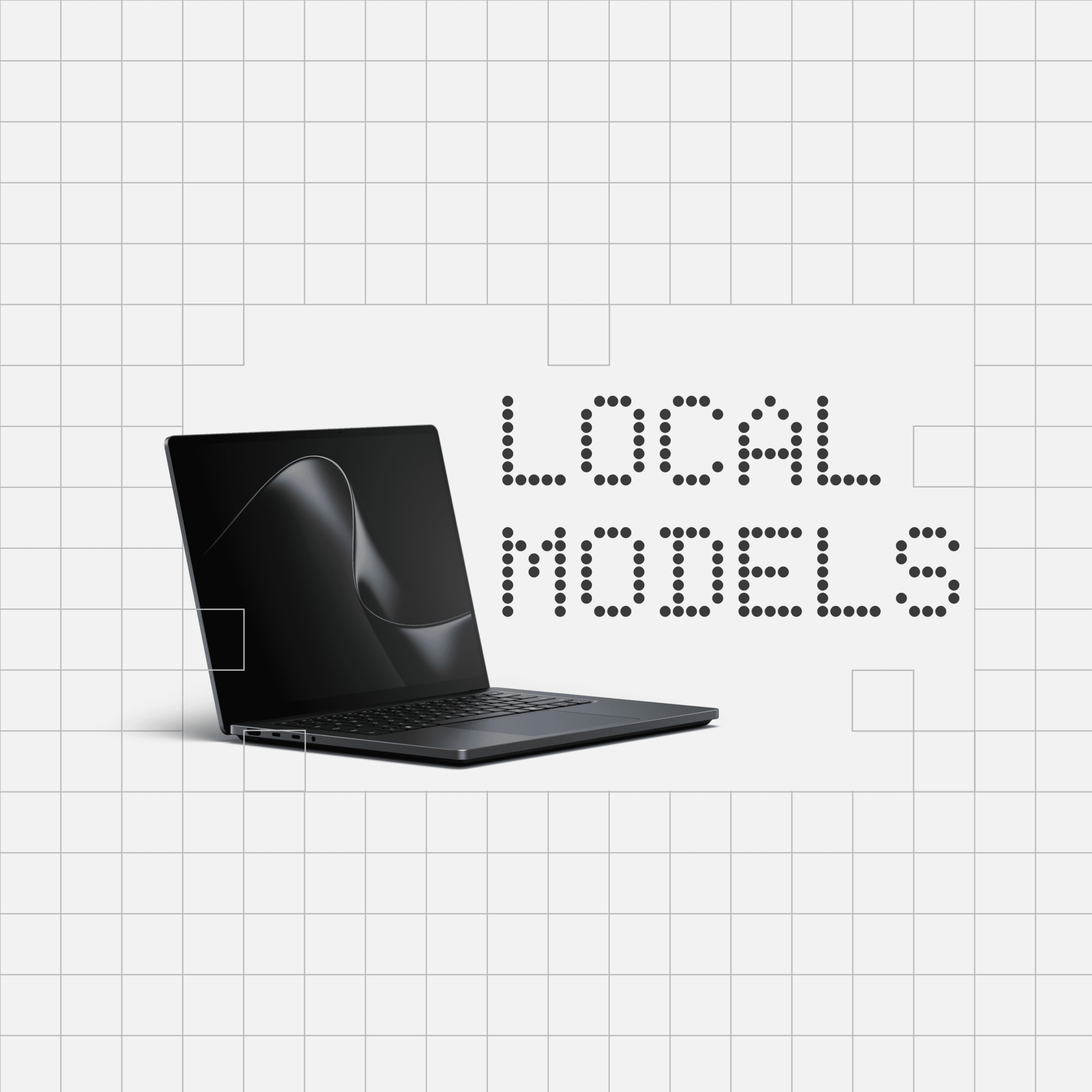
Microsoft opens pre-orders for the $6,000 Surface RTX Spark Dev Box
Microsoft has unveiled the Surface RTX Spark Dev Box, built for local AI workflows. Priced at $6,000, the device is now available for pre-order and targets AI developers.
Microsoft kicks off the hybrid intelligence era: Windows is being reshaped for AI agents
Microsoft announced a hybrid intelligence approach that unifies local models, cloud power and security infrastructure under one roof. The company aims to turn Windows into a secure hub for autonomous AI agents. The announcement highlights Microsoft Execution Containers (MXC), smart routing systems and a strong hardware ecosystem.
Nvidia RTX Spark laptops are up for pre-order: starting at $2,599, shipping October 16
Nvidia RTX Spark laptops from Asus, Microsoft, Lenovo, HP and Dell are now available for pre-order, with devices shipping on October 16. Best Buy models start at $2,599, while configurations with up to 128GB of unified memory reach $6,999.
Microsoft Surface Laptop Ultra: on sale October 16 starting at $2,599
At its Windows and Surface event in San Francisco, Microsoft said the Surface Laptop Ultra will go on sale October 16 starting at $2,599. The laptop runs on Nvidia's RTX Spark Arm-based chip and swaps the proprietary Surface Connect port for built-in magnetic USB-C charging. A developer mini PC, the Surface RTX Spark Dev Box, is up for preorder at $5,999.
Microsoft highlights agentic AI features at its Windows and Surface event
Microsoft showcased agentic AI features for Windows at its Windows and Surface event. The announcements centered on AI-powered experiences across the platform.
Microsoft is giving Copilot more control over Windows and your files
At its Windows and Surface event, Microsoft unveiled an upgrade to Copilot that gives it access to local files on your PC and the ability to take actions across the operating system. The approach, which Microsoft calls "Hybrid Intelligence," has apps and tools rely on a mix of local and cloud AI models. A stage demo showed the Autopilot tool helping with filing taxes.
Microsoft and NVIDIA's local AI push: RTX Spark and Surface Laptop Ultra
At its event in San Francisco, Microsoft unveiled its next-generation plans for Windows and Surface. Satya Nadella, Jensen Huang, and Pavan Davuluri discussed how local AI will shape the future of the PC. NVIDIA's RTX Spark platform aims to boost local AI models, creative apps, and gaming on new laptops.
Sen. Cantwell outlines six-point plan to regulate frontier AI
US Sen. Maria Cantwell proposed a six-principle framework for regulating the development and deployment of frontier AI systems. The plan covers enforceable safety standards, independent oversight, transparency, public-private partnerships, harm prevention and international collaboration. Microsoft Vice Chair Brad Smith welcomed the proposal.