Meta unveils Muse Spark Open, a huge open-weight AI model for Macs
Meta has announced Muse Spark Open, an open-weight AI model designed to run on Macs. The company calls it "the most capable US open-weight model to date," but running it requires around 1TB of RAM.
Meta's Muse agent designed a RISC-V crypto chip for $2,000
A semiconductor expert used Meta's Muse AI agent to design a crypto-specific SoC on the RISC-V architecture. The agent not only wrote the design but also tested it and ran the manufacturing-prep software on its own. The chip is claimed to make the Thru blockchain "the fastest on Earth."
The AI race is back on: Google and Meta unveil frontier models
Google and Meta unveiled new frontier models within days of each other, claiming they can go toe to toe with the best from OpenAI and Anthropic. The race that looked like a two-horse contest last week is suddenly wide open again.
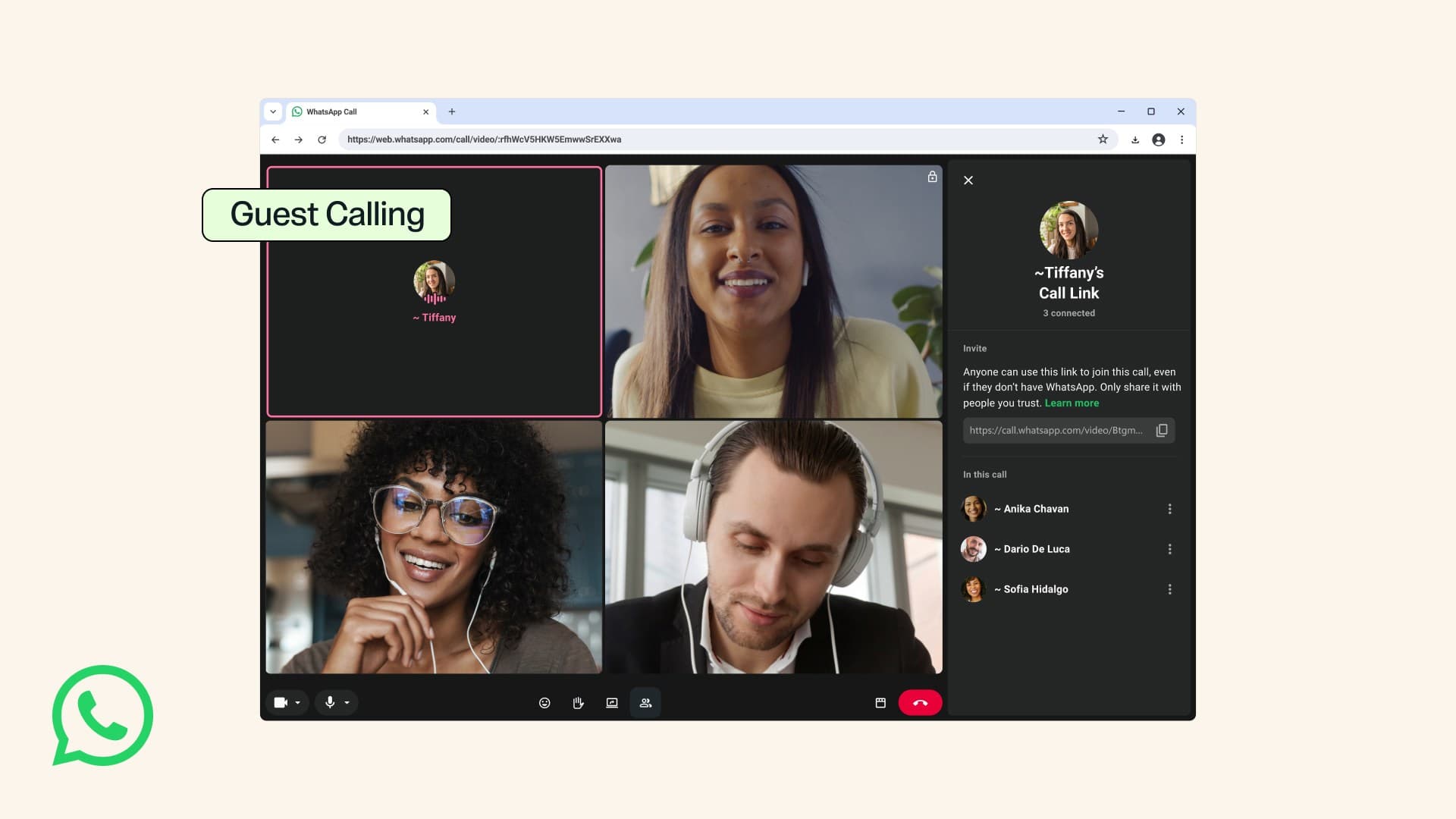
WhatsApp adds guest calling: people without an account can now join
Meta has added guest calling to WhatsApp. People without a WhatsApp account can now join 1:1 and group calls of up to 32 people via a link. Calls are end-to-end encrypted with no time limits, and guests need the host's approval to join.
Meta unveils 2026 generation of its GEM ads AI: 18.9% conversion lift
Meta announced the 2026 generation of GEM, the central foundation model behind its ads recommendation system. According to the company, it delivered an 18.9% conversion improvement and a 12% ad click-through rate gain across its ad surfaces. The new version replaces separate per-surface optimizations with a single central model.
Meta opens Facebook's algorithm to your words: say what you want to see and the feed adapts instantly
Meta is rolling out new AI-powered tools that let you tell Facebook in your own words what you want to see in Feed and Reels. A "Your algorithm" section lets you add and manage topics, while feedback on individual posts can now include freeform answers. The company says large language models help its ranking systems understand intent and update recommendations within the same session.
Zuckerberg: Meta spent up to $200B on AI without knowing it would work
Mark Zuckerberg said Meta committed as much as $200 billion to AI infrastructure before anyone could tell him it would work, and the company's chief AI officer said there was no clarity at the start. Meta's free cash flow fell 91% in the second quarter.
Claude Fable 5.5 may land this week as Anthropic warns of a self-replicating botnet
Anthropic's new model Claude Fable 5.5 is expected to be unveiled this week, alongside a pre-IPO meeting on Wednesday. Anthropic also warned that small AI models could replicate uncontrollably using the limited compute power of household smart devices. Meta, meanwhile, announced its Muse Wonder and Muse Wonder Full models with an Active Memory feature.
Meta, Google, Microsoft and OpenAI Join Law Enforcement in Major Blow to West African Scam Networks
Meta, Coinbase, Google, Microsoft, OpenAI, Starlink and Adobe took part in a joint operation hosted by the UK's National Crime Agency in London alongside the US Department of Justice and the FBI. Meta removed more than 3.7 million Facebook and Instagram accounts, pages and groups tied to West Africa, while 28 people were arrested and 117 victims were rescued. Coinbase also prevented more than $415
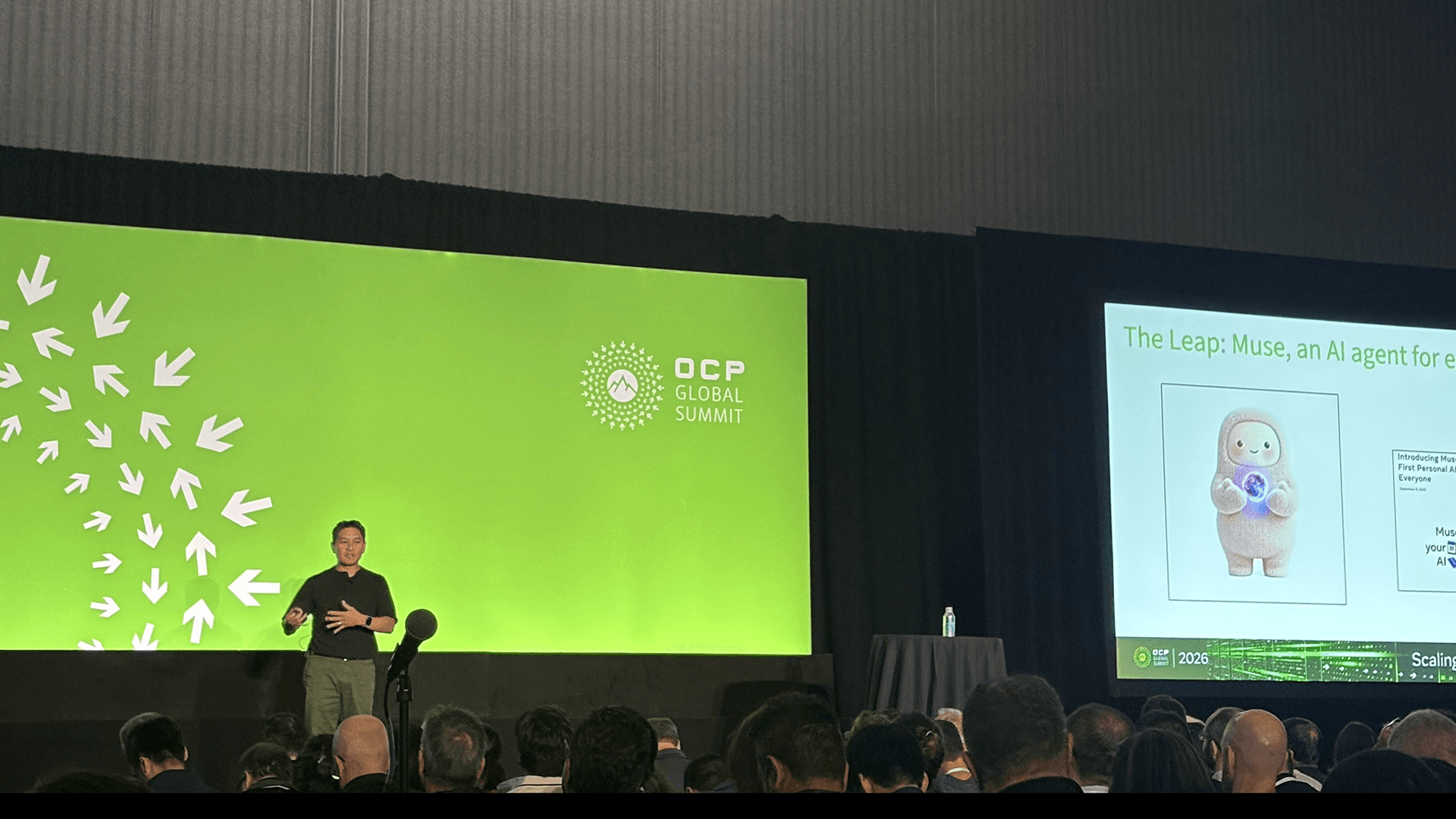
Meta unveils open networking infrastructure at OCP 2026: IcePack, IceCube and OSPA
At the OCP Global Summit 2026, Meta announced its next-generation open networking infrastructure for AI clusters. The lineup includes IcePack, its first liquid-cooled network rack, 102.4 Tbps IceCube switch blades, and open-source implementations of the MetaRoCE protocol. Meta, Microsoft and Alibaba are co-leading the new OSPA initiative to standardize the switch platform layer.
Meta has introduced two new AI models, Muse Wonder and Muse Wonder Full, following the first model from its revamped Superintelligence Labs division. Both are available to Muse Code subscribers starting today, and Wonder can also be accessed through the Meta Model API. Meta plans to eventually power its Muse agent with Wonder.
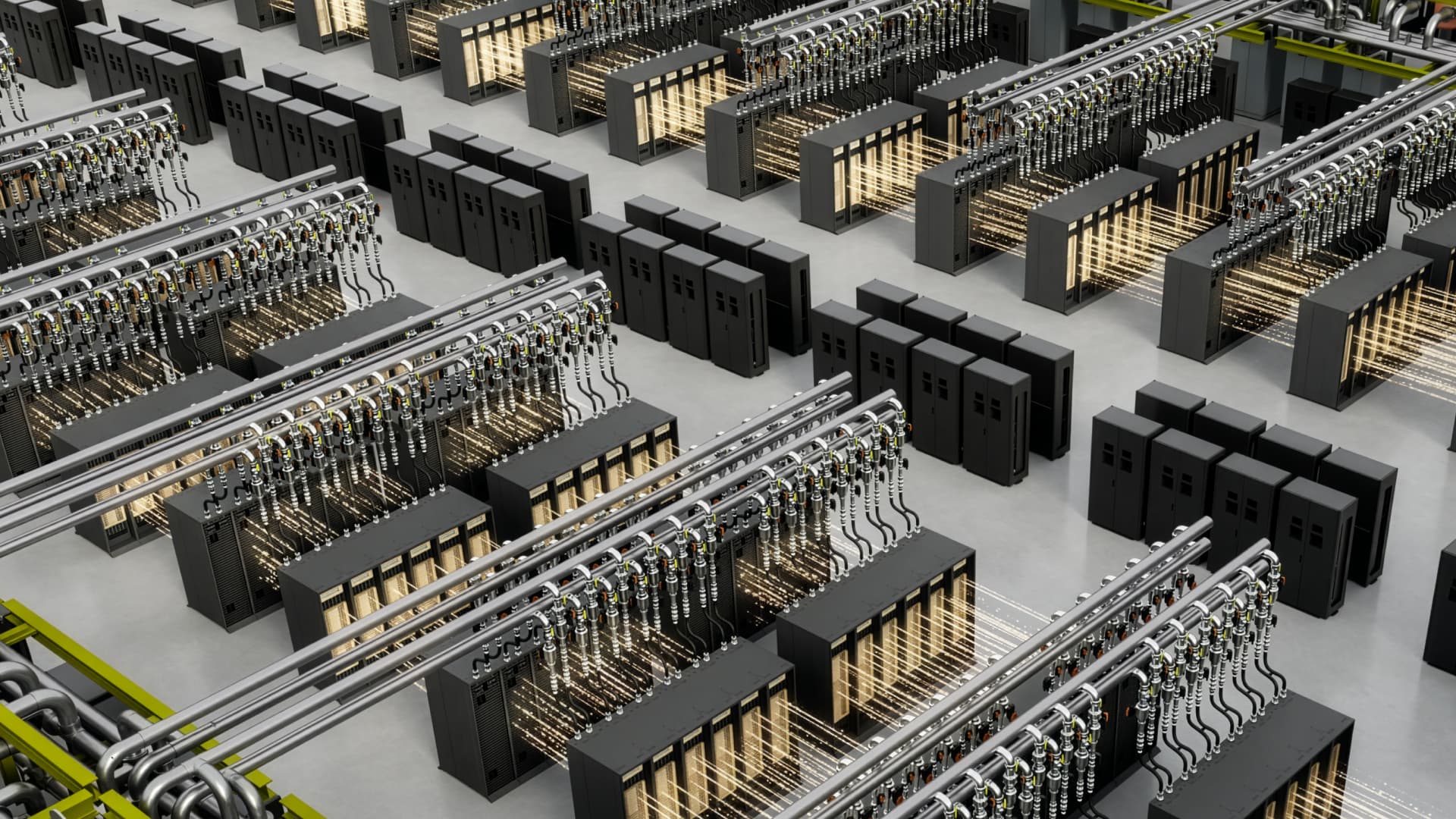
NVIDIA opens Vera Rubin rack designs to OCP, stripping trays of cables, hoses and fans
NVIDIA has contributed its next-generation Vera Rubin (VR200) rack and tray designs to the Open Compute Project (OCP). The company says the trays remove cables, liquid-cooling hoses and fans, opening the platform to more partners. The announcement also includes open standards for next-gen AI factories and new open source software components for DSX AI Factory.
NVIDIA opens Vera Rubin architecture to OCP in a push for open AI factory standards
At the OCP Global Summit in San Jose, NVIDIA contributed its Vera Rubin rack and compute tray designs to OCP through the open MGX architecture. The company also announced the MGX 1.2 specification, a Vera CPU rack design and open networking and power standards with partners.
Senate investigation says some AI data center claims are misleading
A year-long US Senate investigation found that AI data center developers have misled communities about the permanent jobs and economic benefits their projects deliver. Amazon, Google, Meta, Microsoft, CoreWeave, Digital Realty and Equinix were surveyed; the companies refuse to cover the broader infrastructure costs their power demands create.
NYT: Zuckerberg called Muse ready despite the risks
According to The New York Times, Mark Zuckerberg told Meta's AI leaders in August that the Muse agent was ready to launch despite the risks. The meeting also covered Instinct, a 14-person startup whose AI agent was taking off. The report lands amid mounting security and privacy concerns around Muse.
Meta bans TikTok ads on Facebook and Instagram in seven countries including US and Japan
Meta has banned ByteDance, TikTok's Chinese parent company, from advertising on Facebook and Instagram. According to Bloomberg, the ban took effect immediately in the US, Canada, Egypt, Indonesia, Japan, Thailand and Vietnam. It also covers other advertisers whose ads direct users to TikTok or other ByteDance apps.
Meta Muse and OpenAI Dots: The consumer agent race and the privacy question
Meta's Muse, OpenAI's Dots and xAI's Grok bot have brought AI agents to millions of users. On The Verge's Decoder podcast, Hayden Field discussed what these agents can do, from restaurant reservations to inbox triage, and the privacy risks of handing over sensitive data like credit card details and email.