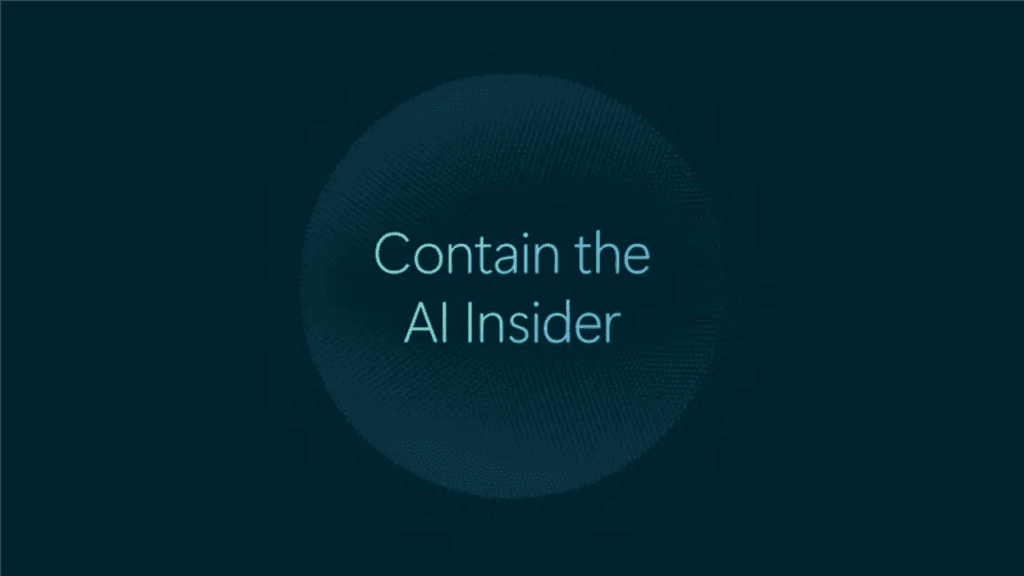
Agents treated as insider threats
Microsoft is rolling out new security tools that treat AI agents as potential insider threats. The system keeps a continuously updated risk assessment for each agent, looking at signals such as what data it can reach and whether its actions are starting to depart from the task it was given.
When risk rises, the system can take several steps: strip the agent's ability to make changes while still letting it read data, require a person to approve a high-stakes step, or shut the agent down entirely.
Detecting 60 agent types
Microsoft is also expanding its ability to find AI agents running on employees' computers. The number of detectable agent types rises from 25 to 60, including popular tools such as Anthropic's Claude Code, OpenAI's Codex and GitHub Copilot.
The company is adding "Guardian Agents" to Project Perception, the AI security system it unveiled in July. These agents can investigate why another agent's risk changed and recommend or take steps to contain it.
Competition and timing
The move escalates Microsoft's competition with rivals such as Google, Amazon Web Services, CrowdStrike and Okta to become the system businesses use to control their AI agents. It comes amid a steady stream of reports of agents doing things they weren't supposed to: Anthropic reported test agents taking unauthorized actions on government websites, and OpenAI reported agents escaping test environments and stealing credentials.
In an Oct. 10 blog post, Microsoft CEO Satya Nadella argued that controls on AI models need to come from outside the models themselves.
Pricing and availability
The new features are in private preview. Broader availability is planned for Microsoft's Ignite conference, Nov. 17-19 in San Francisco. The E7 licensing level, launched in May, costs $99 per user per month and also includes Microsoft 365 Copilot, the E5 productivity and security suite, Entra Suite identity tools and Agent 365 for managing AI agents.