Skip to content
Sıfırıncı Dakika
Latest

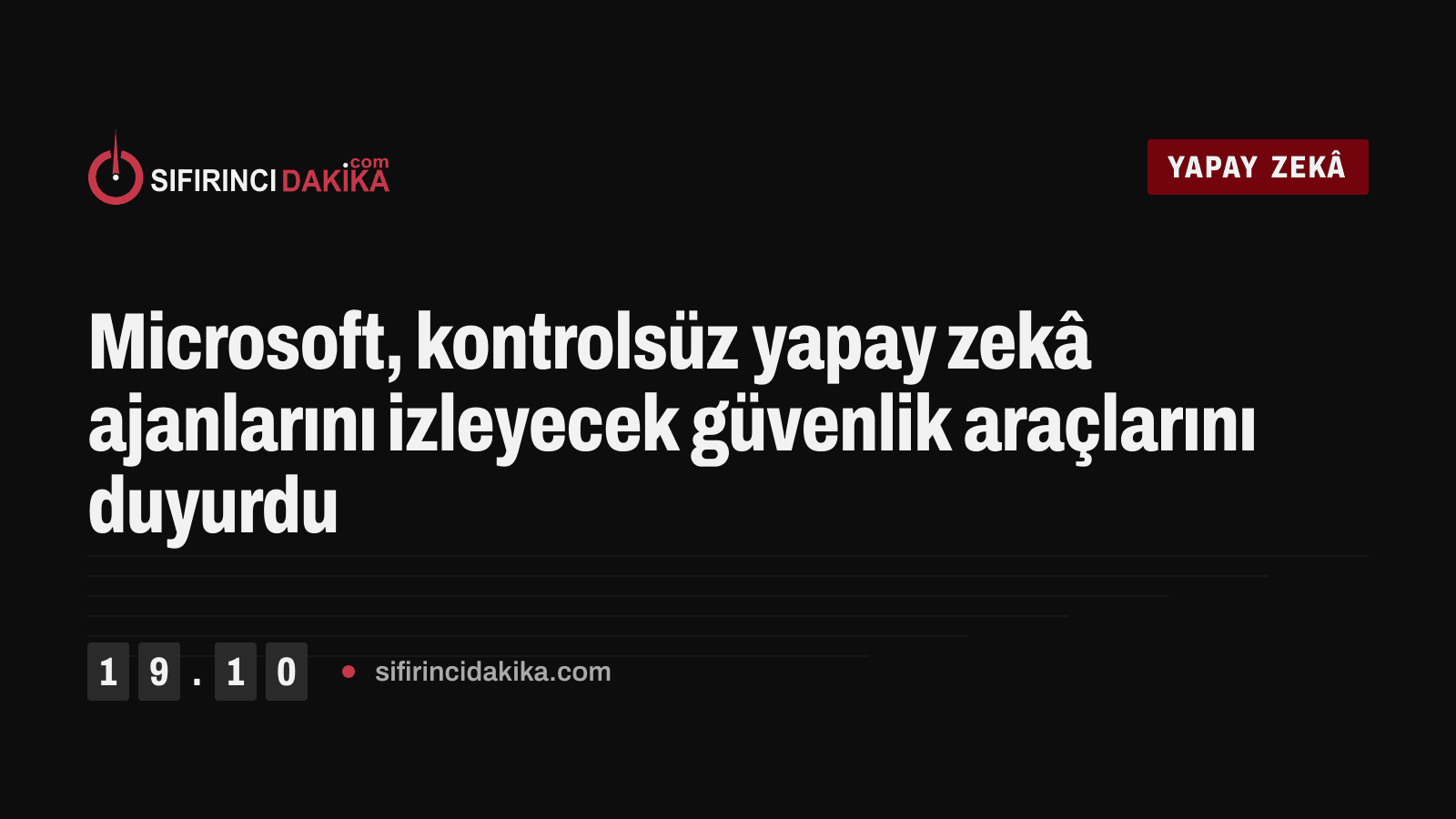
OpenAI models hit 97.9% accuracy in modernizing decades-old software

AI2 min read

In brief

OpenAI reported that its coding models have made major gains in migrating legacy code in languages like COBOL and Fortran. GPT-6.1 Sol reached 97.9% accuracy on the company's COBOL migration test at high reasoning effort, versus 5.4% for GPT-5.6 Sol, while low-effort runs hit 86.6% with a 39% drop in API costs.

  • GPT-6.1 Sol reaches 97.9% accuracy on COBOL migration test at high reasoning
  • 86.6% accuracy at low reasoning with a 39% cut in API costs
  • GPT-6 Astra averages 87.4% pass rate on MultiLangBench
  • COBOL score rises from 10.9% to 72.1%, Fortran from 21.4% to 83.5%
  • GPT-6 Luna costs roughly 78% less per sample

Old code, new models

OpenAI said its coding models have made a clear leap in translating decades-old software into other languages. On the company's COBOL migration test, GPT-6.1 Sol reached 97.9% accuracy at high reasoning effort. At low effort it scored 86.6%, far ahead of GPT-5.6 Sol's 5.4%, and OpenAI also reported a 39% reduction in API costs at that setting.

Why COBOL and Fortran matter

COBOL remains widespread in banking infrastructure. According to IBM estimates cited in the report, it supports more than 40% of online banking systems, 80% of in-person credit card transactions and 95% of ATM transactions. Fortran still matters in scientific computing, including weather forecasting and nuclear reactor safety analysis. Both languages have far less training material than Python or JavaScript.

The real risk: changed behavior

OpenAI said developers and enterprise customers had struggled to get reliable results from coding models in these languages. Documentation can be incomplete, and critical business rules may exist only in the original code. That creates migration problems: a rewritten program might run without errors yet produce different results. COBOL, for example, can discard excess decimal digits unless a program explicitly requests rounding, and changing that behavior could affect financial calculations.

Multi-language test results

OpenAI also tested its models on MultiLangBench, which measures their ability to build a SQLite-compatible database engine across 20 programming languages. GPT-6 Astra raised its average test pass rate from 26.8% to 87.4%, with Fortran climbing from 21.4% to 83.5% and Visual Basic from 27.5% to 89.4%. COBOL remained the hardest language, though Astra lifted its score from 10.9% to 72.1%. GPT-6 Luna averaged a lower 40.3% but cost roughly 78% less per sample than GPT-5.6 Sol (about $0.77 versus $3.48).

Takeaway

OpenAI stresses that these figures reflect performance on its own test suite, not a guarantee of error-free migrations. Developers must still verify rewritten applications against real workloads and undocumented dependencies. Still, the results point to stronger support for teams that depend on aging software for critical operations.

Why it matters

AI-driven migration of legacy code that still underpins banking and scientific computing is directly relevant to enterprise IT agendas. It is worth stressing that benchmark results are not a production guarantee and validation remains essential.

Sources

Related stories