Skip to content
Sıfırıncı Dakika
Latest

NVIDIA and supply chain partners expand manufacturing capacity

Hardware1 min read
NVIDIA Newsroom

In brief

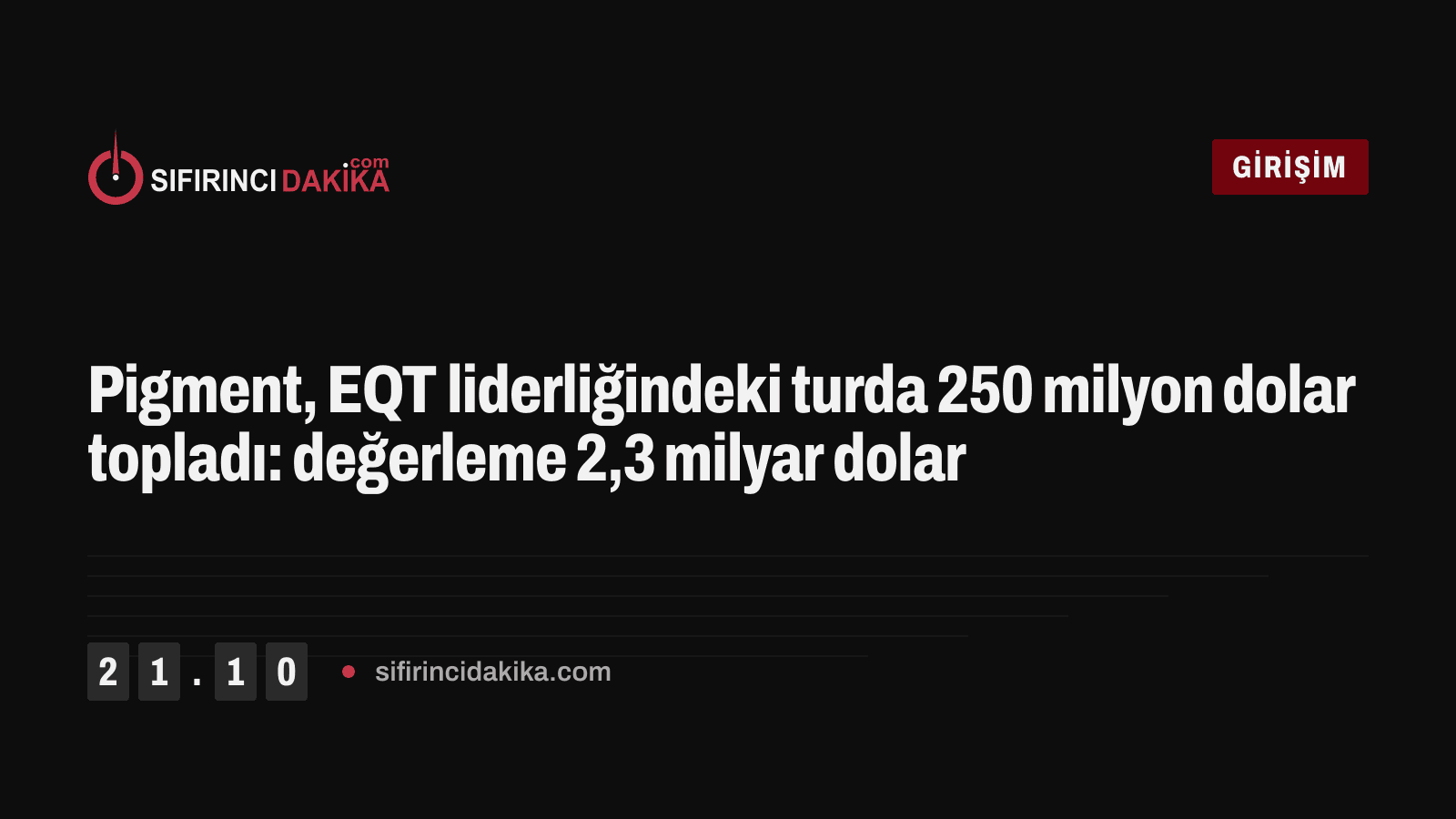
At GTC Berlin, NVIDIA announced plans with Amkor, IBIDEN, KYEC, Samsung Electro-Mechanics, SPIL and Unimicron to expand global manufacturing capacity. The company aims to grow substrate capacity 2.5x over three years and is providing a $1.1 billion capacity reservation advance to KYEC.

  • Target of 2.5x substrate capacity increase over three years
  • $1.1 billion capacity reservation advance to KYEC
  • Over 300% interposer wafer capacity increase with Amkor
  • 15x CPO optical engine capacity target with SPIL
  • Samsung Electro-Mechanics joins substrate supply chain

A capacity push against the production bottleneck

At GTC Berlin, NVIDIA unveiled plans with six supply chain partners to expand global manufacturing capacity and meet growing demand for its accelerated computing and AI factory platform.

The company plans to increase substrate capacity for its products 2.5x over the next three years. A multibillion-dollar capacity reservation advance will support IBIDEN's Ono plant in Japan, targeting capacity three times current levels, with additional capacity expected to ramp in the first quarter of 2028.

New partners and packaging

Samsung Electro-Mechanics is joining NVIDIA's substrate supply chain with immediate capacity from its existing operations in South Korea. By 2028, production allocated to NVIDIA is projected to account for a significant portion of the company's total annual package substrate capacity. Unimicron will expand KF substrate manufacturing in Taiwan.

With Amkor, advanced packaging capacity in South Korea will grow, targeting a more than 300% increase in interposer wafer capacity by the end of 2028.

Testing and optical engines

NVIDIA expects its total semiconductor testing capacity to double from calendar 2026 to 2027. A $1.1 billion advance to KYEC will support new U.S. testing facilities, with high-volume production targeted for April 2027. SPIL aims to increase its optical engine capacity for co-packaged optics in Taiwan 15x by mid-2027.

"We are in the midst of the largest infrastructure buildout in human history. Demand is extraordinary. Capacity is the constraint," said Jensen Huang.

Why it matters

A concrete roadmap showing how the AI chip supply bottleneck is being addressed; relevant for readers tracking hardware and data center investments.

Sources

Related stories