Skip to content
Sıfırıncı Dakika
Latest

Japan's most powerful supercomputer Fugaku may have been hacked: over 4,000 users' data possibly stolen

Security1 min read

In brief

Unauthorized access has been detected on Fugaku, Japan's most powerful supercomputer. Operator Riken said personal data of more than 4,000 Fugaku users and 375 Rikyu users may have been stolen. Attackers used the system's externally accessible status dashboard as a springboard between November 10 and 13.

  • Personal data of over 4,000 Fugaku users potentially compromised
  • Data of 375 Rikyu AI supercomputer users may also be affected
  • Names, emails, research files and authentication credentials may have been stolen
  • Attackers used the externally accessible status dashboard as a springboard
  • Unauthorized software was confirmed installed on some servers
  • Incident reported to Japan's Ministry of Education, Culture, Sports, Science and Technology

What happened?

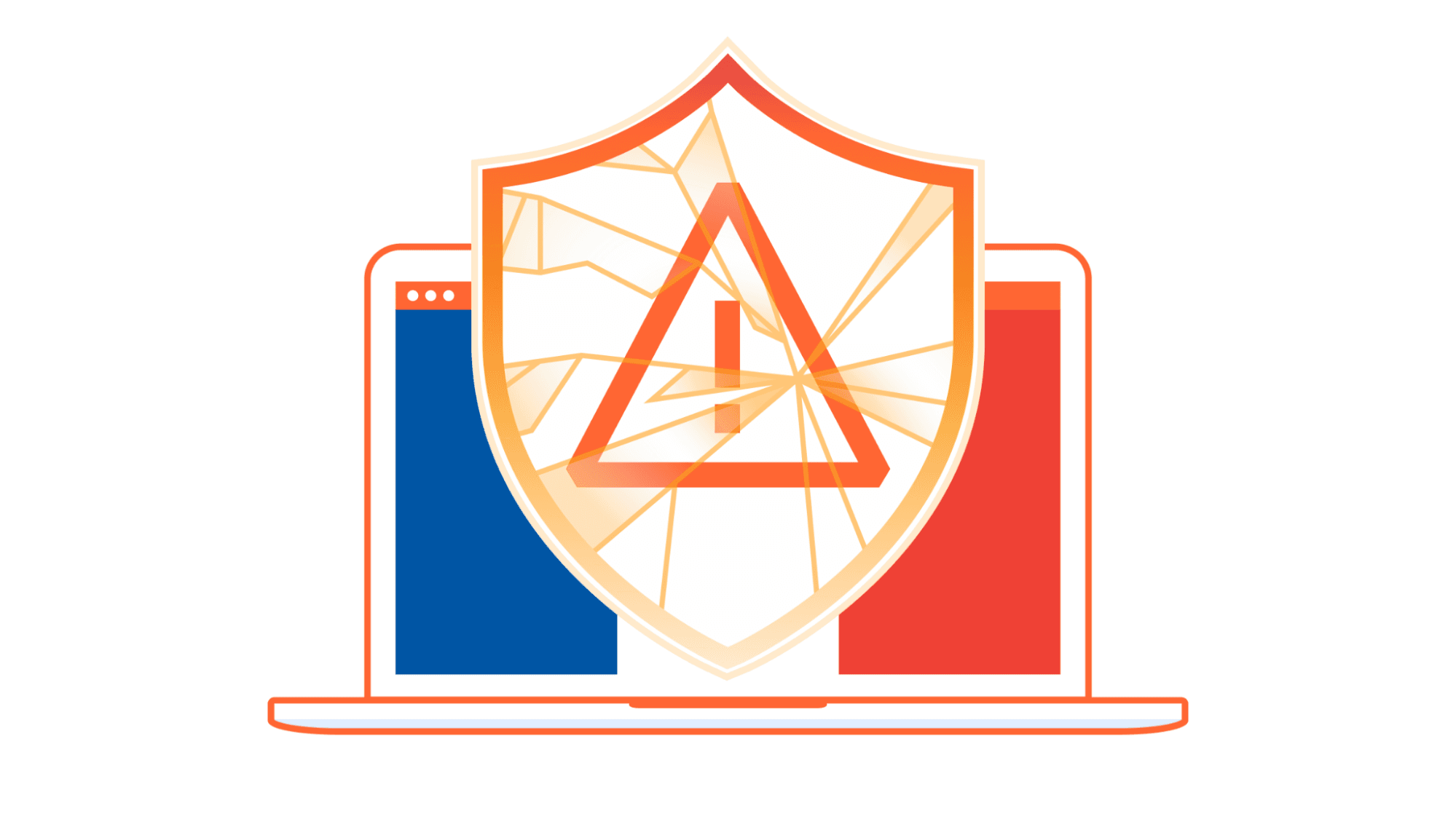
A suspected unauthorized access incident has hit Fugaku, Japan's most powerful supercomputer and the ninth-fastest in the world. Operator Riken confirmed that personal information belonging to more than 4,000 Fugaku users and 375 users of its Rikyu AI supercomputer may have been stolen.

Which data is at risk?

According to Riken, the potentially compromised information includes names, email addresses, research files and the authentication credentials used to access the supercomputers and related services. That means not only personal data but also system access keys may have been exposed.

How did the attack unfold?

Japanese media reported that Riken noticed suspicious communications on November 12 and launched an investigation. By November 14, unauthorized access was confirmed and blocked. Investigators found that attackers used the system's externally accessible operational status dashboard as a springboard between November 10 and 13, gaining access to the internal network. Riken also confirmed that unauthorized software had been installed on some servers.

Official response

Riken reported the incident to Japan's Ministry of Education, Culture, Sports, Science and Technology (MEXT). Chief Cabinet Secretary Minoru Kihara said the ministry and Riken were working together to investigate and determine the full scope of the breach. Kihara stressed that Fugaku plays a vital role in the country's research infrastructure and that security must be prioritized.

Why Fugaku matters

Located at Riken's Center for Computational Science in Kobe, Fugaku was developed with Fujitsu and came online in March 2021 at a cost of around ¥130 billion. It was once the world's fastest supercomputer before being overtaken by Frontier in Tennessee. China's LineShine is currently the fastest system in operation.

Why it matters

Supercomputers underpin critical research infrastructure yet their security is often overlooked; this incident shows how much risk an externally exposed management dashboard can pose.

Sources

Related stories